Expert Insights: Avoiding Common Mistakes in Event Planning


Understanding the Basics of Event Planning
Event planning can be a daunting task, with numerous elements requiring careful coordination. From setting objectives to managing logistics, each step plays a crucial role in the overall success. Yet, even seasoned planners can fall prey to common mistakes that can derail their efforts.
To help you navigate these challenges, we’ve gathered insights from experts in the field. Avoiding these pitfalls can save time, resources, and ensure a seamless experience for all involved.
Setting Clear Objectives
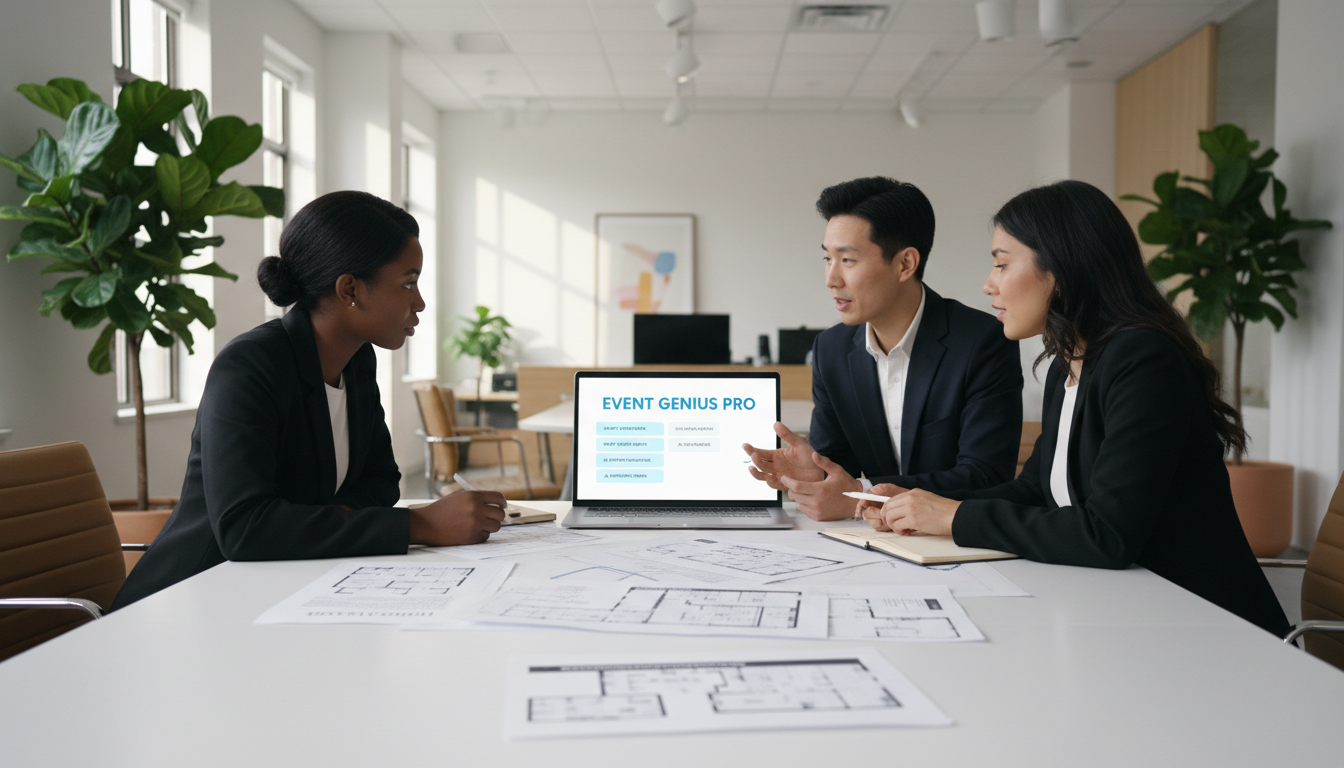
One of the most frequent mistakes is failing to set clear and measurable objectives. Without a defined purpose, it becomes difficult to gauge the success of the event. Start by asking yourself what you hope to achieve and tailor every aspect of the event to meet these goals.
Consider creating a checklist of objectives and regularly reviewing it throughout the planning process. This ensures that every decision aligns with your overarching aim, whether it’s increasing brand awareness, launching a product, or fostering networking opportunities.
Budget Management
Another common pitfall is inadequate budget management. It's crucial to set a realistic budget early on and stick to it. Unexpected expenses can arise, so it's wise to allocate a portion of your budget to contingencies.
Utilize tools and software to track spending and identify areas where costs can be trimmed without sacrificing quality. Regularly updating budget forecasts can prevent overspending and financial strain.

Choosing the Right Venue
Choosing a venue that doesn’t align with your event’s needs is a mistake that can have significant repercussions. Consider factors such as location, capacity, facilities, and accessibility. The right venue enhances the attendee experience, reflecting positively on your brand or organization.
Site visits are invaluable. They offer firsthand insight into the space, allowing you to visualize the setup and identify potential issues. Engage with venue staff to understand logistical capabilities and restrictions.
Effective Communication
Miscommunication can lead to misunderstandings and errors. Ensure that all stakeholders, from vendors to attendees, are on the same page. Utilize effective communication channels and maintain clear, concise dialogue throughout the planning process.
Regular meetings and updates can help keep everyone informed and engaged. This proactive approach minimizes the risk of last-minute surprises and ensures smooth execution.

Anticipating Challenges
Even the most meticulously planned events can encounter unexpected challenges. The key is to anticipate potential issues and have contingency plans in place. This could range from technical glitches to weather-related disruptions.
Conducting a risk assessment during the planning phase can help identify areas of vulnerability. By preparing solutions in advance, you can respond swiftly and effectively, minimizing disruption and maintaining attendee satisfaction.
Post-Event Evaluation
Many planners overlook the importance of post-event evaluation. This step is critical for understanding what worked well and what needs improvement. Gathering feedback from attendees, vendors, and staff provides valuable insights for future events.
Use surveys and data analysis to assess the event’s success in meeting its objectives. This information is instrumental in refining strategies and ensuring continuous improvement in your event planning endeavors.